
Your Path to Autonomous OT Communication Networks: From Reactive Operations to Self Optimising OT Networks
Power networks (DSOs, TSOs and generation) are under pressure from every direction. They need to improve reliability and sustainability, deliver real-time customer insight, and meet increasingly stringent regulations.
In response, power generation has evolved from a simple centralized model, through to a decentralized model with generation from a mix of diverse sources such as centralized generation from carbon-based, nuclear and renewable generation plants, through DERs even located at people premises.
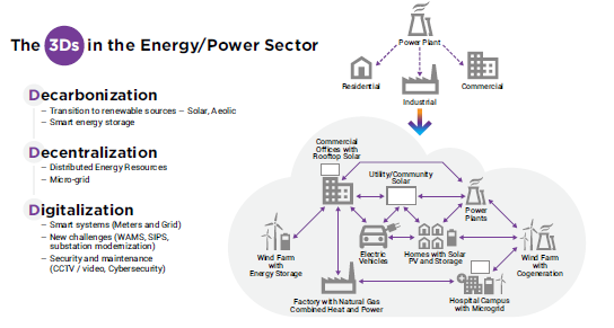
This decentralized model as well as the increased need for network intelligence and customer service information is enabled by large-scale deployment of industrial IoT sensors for network intelligence, AMI (Advanced Metering Infrastructure) to monitor usage, and CCTV for perimeter security. In this environment, rapid fault resolution and real-time performance visibility are essential to prevent small issues becoming major incidents.
The Reality: Automation Will Become the Foundation for Operating in a Modern Network
As the power infrastructure evolves, operations teams risk being swamped by data generated by these new devices. Automation helps correlate that data, turning it into actionable insights about the state of the network. These insights support faster fault detection and right-time incident response.
Why Moving to Autonomous Networking Is the Next Logical Step
In critical infrastructure, autonomous networks are not about removing human oversight. It is about augmenting engineering teams with systems that continuously monitor conditions, anticipate degradation, and recommend corrective actions before outages affect critical infrastructure or customers.
Done well, this reduces operational risk, improves consistency, and strengthens resilience—while supporting the safe integration of renewables, substations and edge intelligence.
The Need for Realtime Data from Multiple Systems
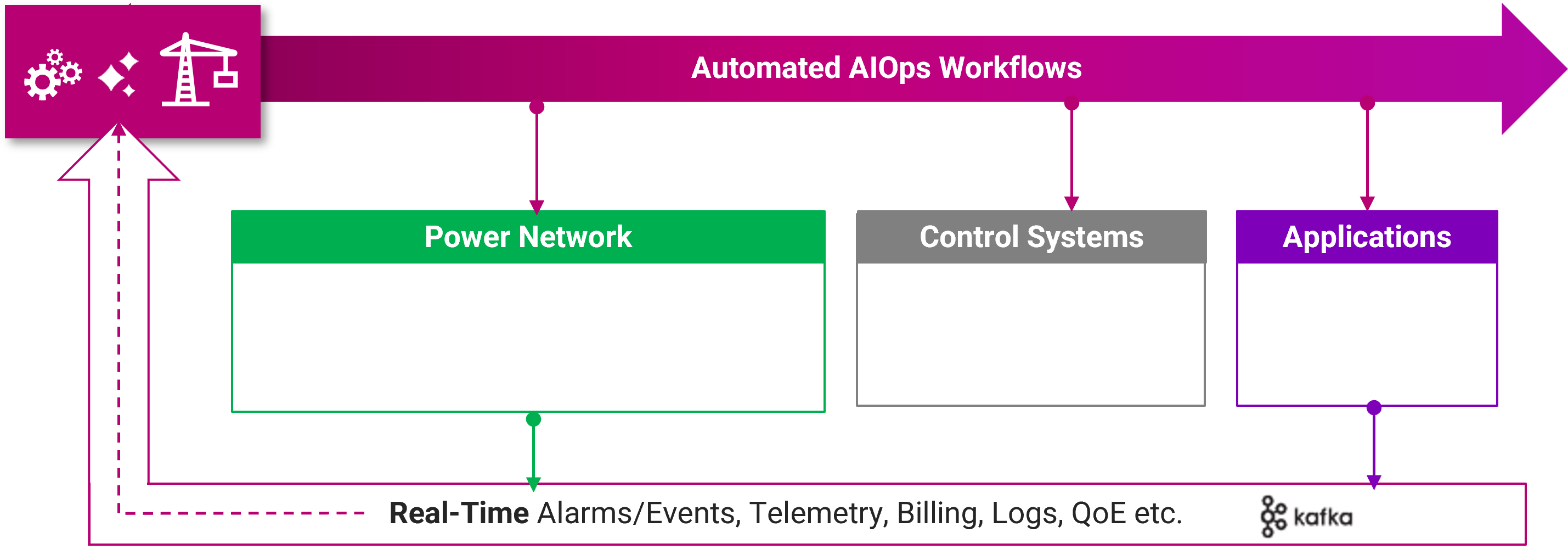
Operational data is often split across telemetry systems, alarms/events systems, lifecycle tools, and OT platforms. As networks modernise, ingesting real-time data from disparate systems becomes increasingly important—especially to manage the balance between renewable and traditional generation efficiently.
Data integration will therefore become increasingly important for assurance and automation.
A Pragmatic Path Forward: How to Start Without Disrupting Operations
Applied well, automation and autonomous principles deliver faster fault restoration, more deterministic performance for mission-critical services, and coordinated response across multiple systems. Day-to-day, this reduces operational risk and improves consistency—creating a scalable foundation for future power network evolution.
Operators don’t need to jump straight to full autonomy. Start by improving visibility and data ingestion and filtering out the noise to help identify the most probable cause for network issues, then automate repeatable actions, introduce assurance loops, and scale with AI-assisted recommendations with humans in the loop. Incremental progress delivers measurable outcomes and builds confidence.
Conclusion
Automation and autonomous networks are becoming essential for power companies as they look to improve resilience, and ensure reliable, secure coordination across their OT and IT networks in an increasingly complex operational and business environment.
The goal is pragmatic: strengthen mission-critical communications and operational consistency while enabling future digital evolution.